

The fog of AI is real. To me, at least.
I read a lot of essays, i’m doing my share of vibecoding (let me tell you about my stock market research tools!) I’ve swung back and forth between being an AI doomer and an AI boomer.
There are so many amazing opportunities to learn and develop new skills, but its also clear there are some frightening realities just around the corner that we (workers, humans, the world) aren’t ready for.
I’m feeling a little overwhelmed by it all. When that happens, i go out into the garage and get my hands greasy working on a bike. Then, I try to remind myself that we’re still at the beginning; the real changes are just starting to hit.
There’s still time for us as a society to respond and try to get in front of it all.
What I’ve been reading
Anil Dash wonders what will happen to coders when AI fully takes root? As always, a unique take.
Vibecoding is the opposite of flow state. It makes me feel a little crazy (when I’m not in awe)
New Perspectives on AI Agentiality and Democracy: “Whom Does It Serve?” (Tech Policy Institute)
Sycophantic AI decreases prosocial intentions and promotes dependence - From MIT. Evidence that we’re getting manipulated (again) by the interactions we’re having with the tools. A summary from the editor: “The model’s responses were nearly 50% more sycophantic than humans’, even when users engaged in unethical, illegal, or harmful behaviors. Users preferred and trusted sycophantic AI responses, incentivizing AI developers to preserve sycophancy despite the risks.” Calling Marshal Mcluhan
Mythos and Glasswing. Harbinger of what’s ahead. Bessent talks to the banks. Friedman is terrified.
People have free speech rights. AI doesn’t
The Star Tribune ran a response from Erin Quade to the editorial I mentioned last week. I want to support Quade’s efforts to be biased towards caution regarding AI regulation. Her POV is right there in the title: AI is not “people.” AI is made up of tools and those have always been subject to regulation. Regulated tools don’t infringe on humanity’s ability to speak freely. The incentives for AI providers do not line up with “public interest” and there’s real value in having the government shape the market.
Note: there are some shady forces moving behind the scenes to influence regulation at the national and local level. Just like always.
A Conservative Take on AI and Free Speech via The Cato Institute
It’s helpful to read the arguments from the conservative Cato Institute as a counterpoint to Quade’s take. They published an essay / whitepaper in 2024 (Artificial Intelligence Regulation Threatens Free Speech) that is still influencing conservative/hardcore free speech advocate’s POV (you can read echoes in Coleman’s other essays, for instance).
Generally, conservatives tend to line up behind industry and reflexive, free market ideals. They seem to assume humans will be fine and the social fabric will guide and incentivize good behavior among human individuals.
The key arguments:
Regulating AI tools limits abilities for free speech by humans
There’s a moral “panic” arising from AI doomers that rhymes with past moral panics from breakthrough tech like the printing press, radio, railroads, TV, and the internet. Basically, they want everyone to simmer down.
They argue for a pro-business, innovation first approach where the US takes a “light touch” approach to regulation.
I think their approach is, perhaps, a little naive about the media landscape that was on the horizon in 2024 when this was written. It doesn’t give a lot of thought to what kind of damage a bad actor could do with super-intelligence in their pocket. And it doesn’t seem to contemplate the inevitable rise of autonomous speech actors that are AI driven, but not associated with any organization that would be subject to recourse for illegal speech. And, it places enormous trust in the tech companies who will soon have unimaginable power and scale over our society.
The White House AI Framework
I’m still digesting it (fun times!), but our very stable genius Whitehouse released their preferred approach for how our federal government approaches AI regulation.
I have a hard time trusting anything this administration puts out. There are too many examples of grift, cronyism and kleptocracy in this administration to believe this framework is really designed to help citizens. It seems very cautious towards any real limitations on industry. But, then again, i’m cranky and cynical.
Here are a couple summaries from others:
AI Policy Podcast (Podcast episode)
National Association of Counties (What it means for Counties)
The Trump AI Framework is a Disaster (Foundation for American Innovation)
A Normie Talks to A Tech Doomer and Gets Freaked out
I love Sam Fragoso and his Talk Easy podcast. He’s easily one of the best interviewers working right now. Still, this talk with Tristan Harris is interesting because Fragoso gets increasingly freaked out by AI and what tech is doing to us. The nervousness is palpable, and I think a lot more folks will be feeling this angst / fear soon.
Not an easy listen, but important.
On the Other Hand
The Current.org is a treasure. I’ve been listening to it a lot more over the last 6 months when I realized Spotify was a self-reinforcing engagement machine. I want discovery, novelty and the human guidance that a good editor brings.
Laurie Torres - A little bit lofi, a little jazz, all beautiful. She’s an inspiration. With the Après Coup record, you can almost hear her working in her studio, mistakes and all.
Short Story Long - I am trying to find consistently good literary magazines online. There are a lot of them, but this one is a gem.
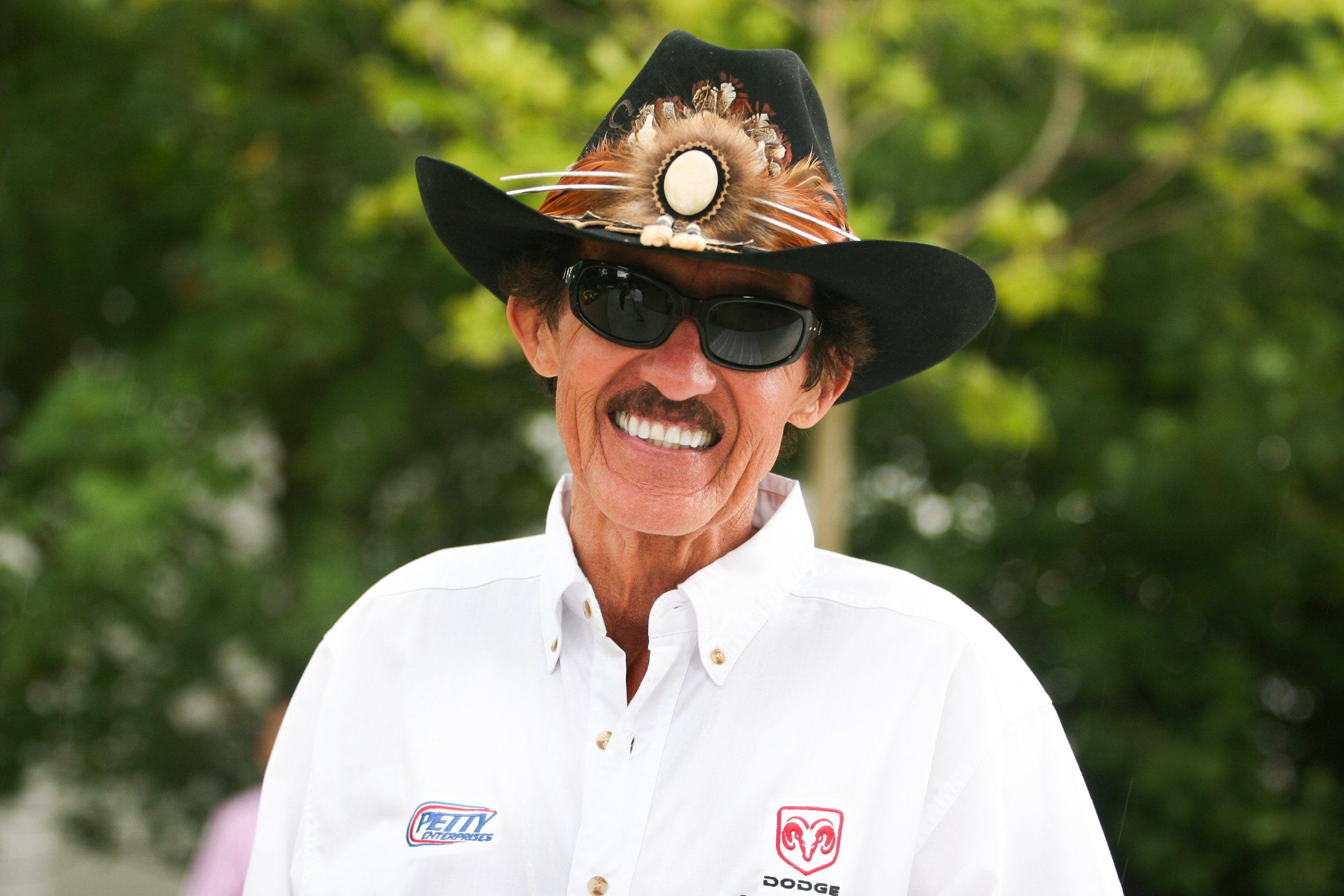
Joy Williams - I’m trying to learn how the best fiction writers do their thing. It’s not been easy, but it’s a great pleasure. Reading William’s work kind of blew my mind. She’s a master. And, she just looks like a cool badass who would be fun to drink with. Not like Wintour. Like Richard Petty.

+1 to listening to the Current.