I just got back from a 10 day trip that was designed to be a fun, bucket list adventure, but it really turned into something more meaningful. We’ve all had ‘em. For me, this one helped me understand some things about current-day America (more on that later) and helped nudge me towards a couple longer term decisions about where I want to spend my time and focus (again, more on that later).
We prepped for this trip the way we have always done it. We bought a handful of guide books to balance out what we were getting from Reddit and the rest of the internet. Rick Steves is old school, but it’s worked really well for close to 30 years of travel.
On the way back, I found that Delta had included some New York Times video in it’s onboard entertainment, including this one with Steves. It was from last year when he published his covid book, On the Hippy Trail: Istanbul to Kathmandu and the Making of a Travel Writer, and I enjoyed his candor, his openness. It was clear he was shooting from the hip and reflecting in real-time.
I loved his framing of travel through the lens of Traveler, Tourist, Pilgrim:
I’m in this sort of thing in my teaching where I remind people there’s three kinds of travel: You can travel as a tourist, a traveler or a pilgrim.
Explain the third one.
Most travelers I know, they’re proud to be known as a traveler as opposed to a tourist: “I’m more thoughtful — I’m not just here to shop and get a selfie. I’m here to immerse myself in the culture and learn.” That is a traveler, to become a temporary local. A traveler learns about the world, but I think a pilgrim learns about themselves, and you learn about yourself by leaving your home and looking at it from a distance. You learn about yourself, I think, by trying to get close to God in your travels. I mean, for me the greatest church is walking on a ridge high in the Alps. The last thing a Lutheran’s going to do is raise their arms to the heavens, but I feel like doing that when I’m on top of an Alp! You just feel so good, and you just feel like this world is such a beautiful place, and it’s filled with beautiful people, and nature is so fragile, and it’s such a delight and a blessing. It changes you.
I love escapism as much as the next guy, but I’m also pretty good at finding the fun/joy in the “Traveler” and “Pilgrim” part. Maybe it’s a function of getting older and having gone through the ringer a number of times, but I’m hoping it’s more like wisdom. We’ll see.
(Travel) Agent Claude & A Couple Ideas About Work
I put Claude, Codex and a couple other tools to the test helping me prep for London. Over the course of a couple days, I built a map of the locations we’re going, guides for each of the museums, and a list of pubs and restaurants to visit.
Then, I built an app that organized out whole itinerary so I had everything on my phone on the go. It was so easy, overall, and a tremendous learning experience. And, of course, the app was super helpful.
A couple quick reactions:
Quality: AI won’t replace trusted guides like Rick Steves. The more I worked with the generic stuff i got from AI, the more I went back to what Rick (and Fodors) had to say. They’re committed to their opinions, in a good way.
Hobbyist: The process of working with tools was pretty easy. I had to work across Github, Google docs, my IDE, a dedicated Markdown editor, etc. Trivial for a real coder, but not trivial for a hobbyist like me. I like figuring that stuff out, but not everyone does.
Solo: Most of the planning for this trip was done with paper and pen, so I was shuttling back and forth between our notes and what I was getting from Claude. I’m guessing software dev teams have group work figured out, but it’s not easy for hobbyists.
But, the project sure helped me understand what sort of disruptions are coming for workers in a corporate settings.
Independent vs. group work - There’s going to be a lot more independent work as we partner with our agents to get stuff done. It will be easier and faster to co-work with the agents than to wrangle a group. A lot will get lost in our search for speed (i.e. quality, consensus, culture, history, taste, understanding of what’s really going on).
Synchronizing inputs - How are teams going to ensure they’re all working from similar or synched inputs (Specs, data, prompts, testing rubrics)
Synchronizing Situational Awareness - How are teams going to stay in synch about what’s really happening (and what’s next) as they all work on their own timelines with their agents. With each team having their own agentic work helpers, planning and coordination is going to be really challenging (unless companies re-organize). We saw this as digital marketing rolled out across orgs: The line between sales, customer insights, and marketing collapsed and, eventually things became a lot less linear.
A Sneak Peak at The Future of Corporate Bureaucracy
I had a small experience a couple weeks ago that gave me some insights into what might be coming for all of us as everyone skills up with LLMs.
I’m working on a project with folks that have a mix of experience levels. Some are new to the professional workplace, others are grizzled veterans. On this project, we had a meeting to discuss a couple updates and a few problems. There was a followup note from the project leader that was detailed in its diagnosis of the problem we were having and some possible root causes. No action was requested. It was a great note and a clear setup for a future meeting.
However, one of the new members of the team (maybe two years out of college) sent around a follow up note that was clearly written by AI. It provided another analysis of the problem, five follow up questions, and a short list of recommended “fixes.” It was sent to the whole group seeking response.
Then, the project manager had to spend a bunch of time responding point by point to the junior team member’s AI driven response.
The insight:
Analysis Overhead / Discretion - It’s tremendously easy to use AI to come up with content that attempts to “add value.” Not actual value, but the appearance of value. Not everyone can tell the difference. Everyone will have a super-brain to help them come up with analysis, responses, ideas and next steps. We’ll all need to learn (or re-learn) the art of discretion: When and how to respond and in what depth. Or, more succinctly: Is this (my potential contribution) going to really help? Am I the correct person to offer this? Is now the right time?
More Analysis equals more work - We’re not going be more efficient, overall. As the cost - in labor, time, tradeoffs - of analysis drops to zero, we’ll just do more of it. We won’t do less work. And, all the “new” work that I’ll be able to do will mean more work for my co-workers (they’ll have to respond to all my new ideas, projects and insights).
I’m guessing everyone reading this has already experienced something like this at work, but it was an eye-opener for me. Good times.
Other stuff
Massive Attack - I’ve listened to trip-hop as background music. But, for our recent trip I went a little deeper in Massive Attack and wow, they are so good.
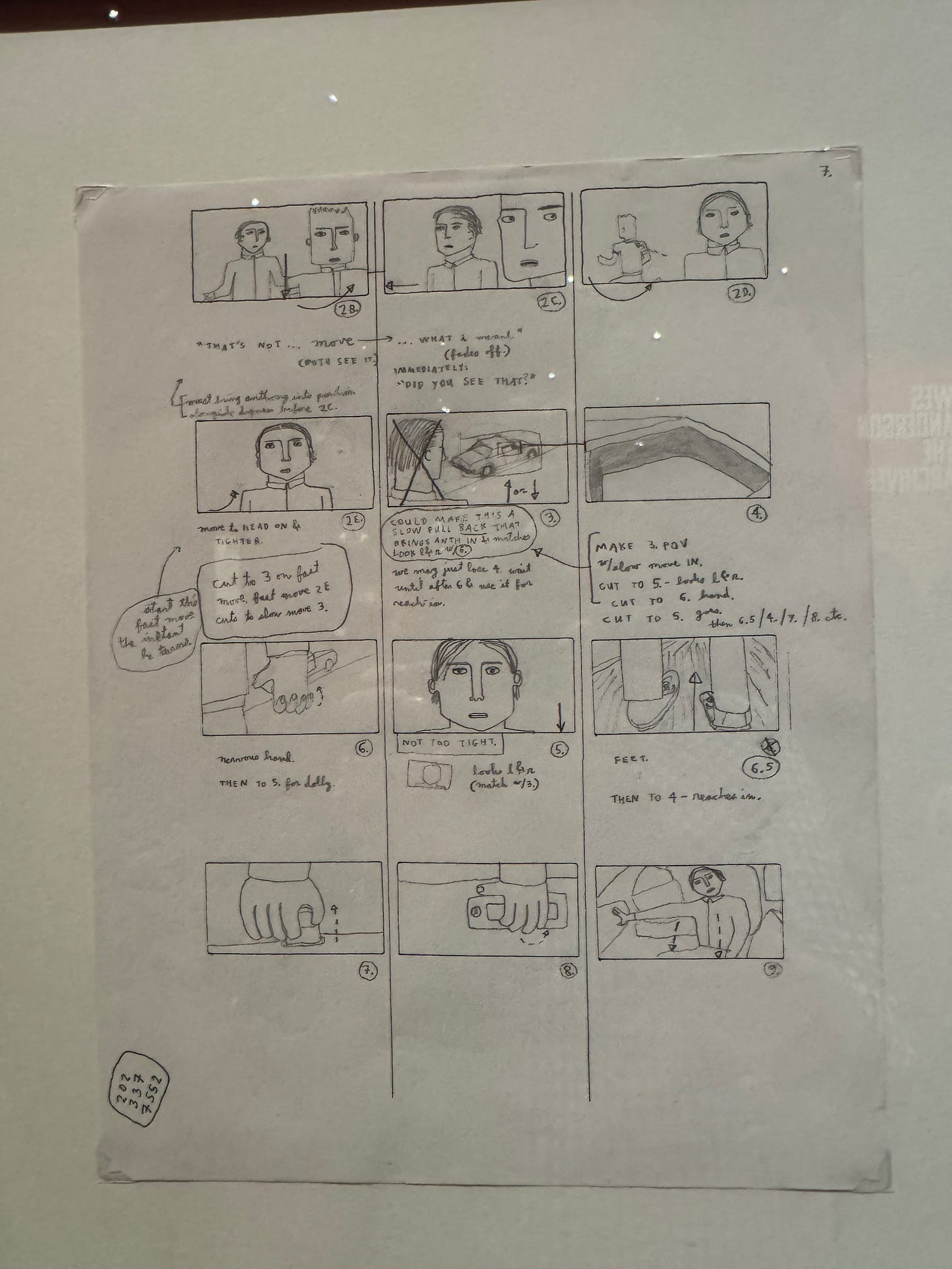
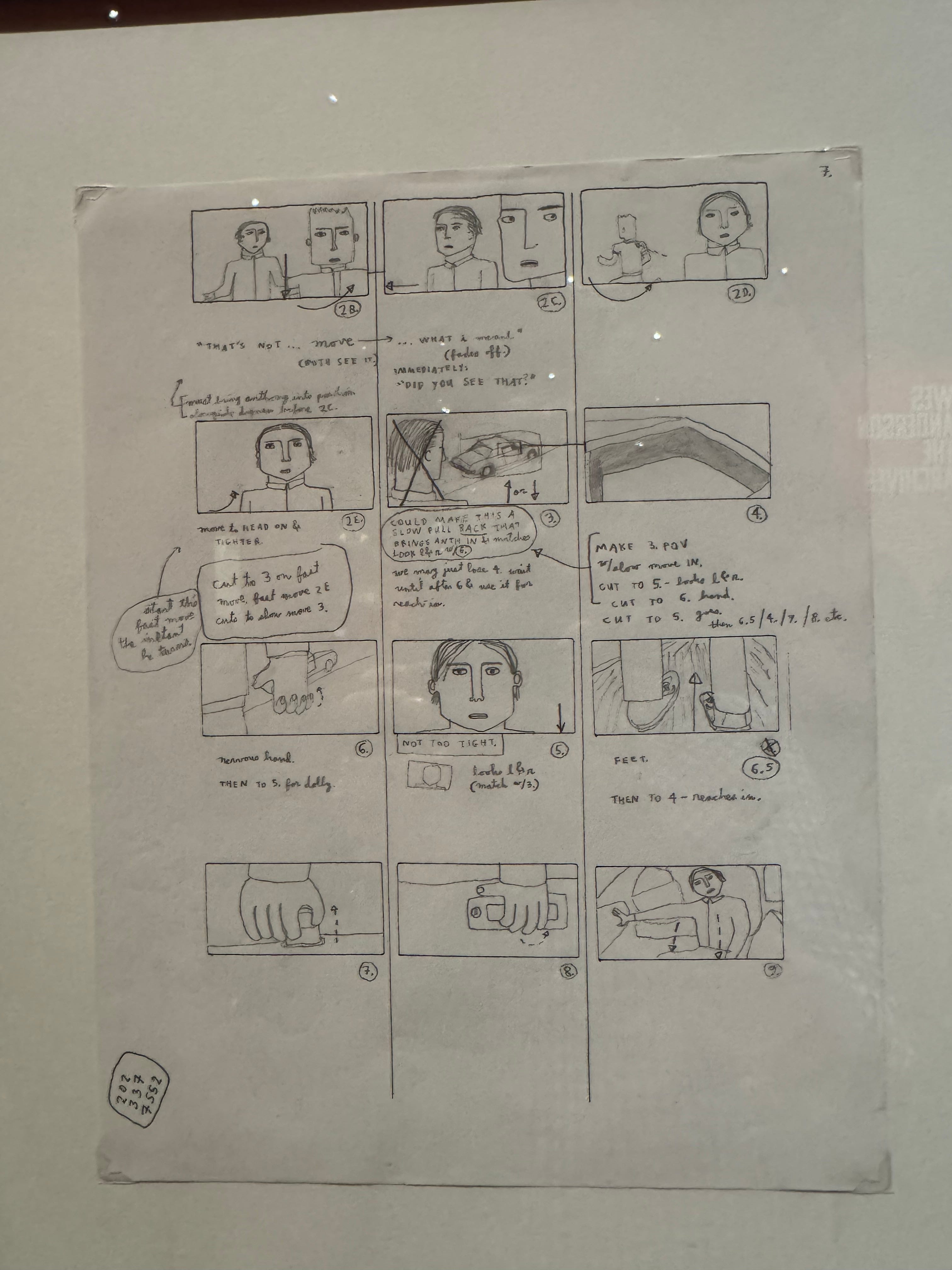
Wes Anderson was always going to be great. We went to a show at the London Design Museum that showcased items from his archive and it seems he kept everything. Look at the storyboards he did for the first Bottle Rocket short. He was meticulous, clear and focused from the beginning
2Tone / English Beat - I didn’t understand the cultural and historical significance of the English Beat and the role of 2Tone in British music. And, 2tone came out of one specific scene, too. That could only happen before the internet. Check out the amazing exhibition The Music is Black at the V&A East.
More Art, Please - I spent a lot of time in museums looking at art and it was a great reminder that art is supposed to challenge us and inspire us and it’s our job to be open to being challenged. England has the right idea: State supported, free admission, ever-changing exhibits.
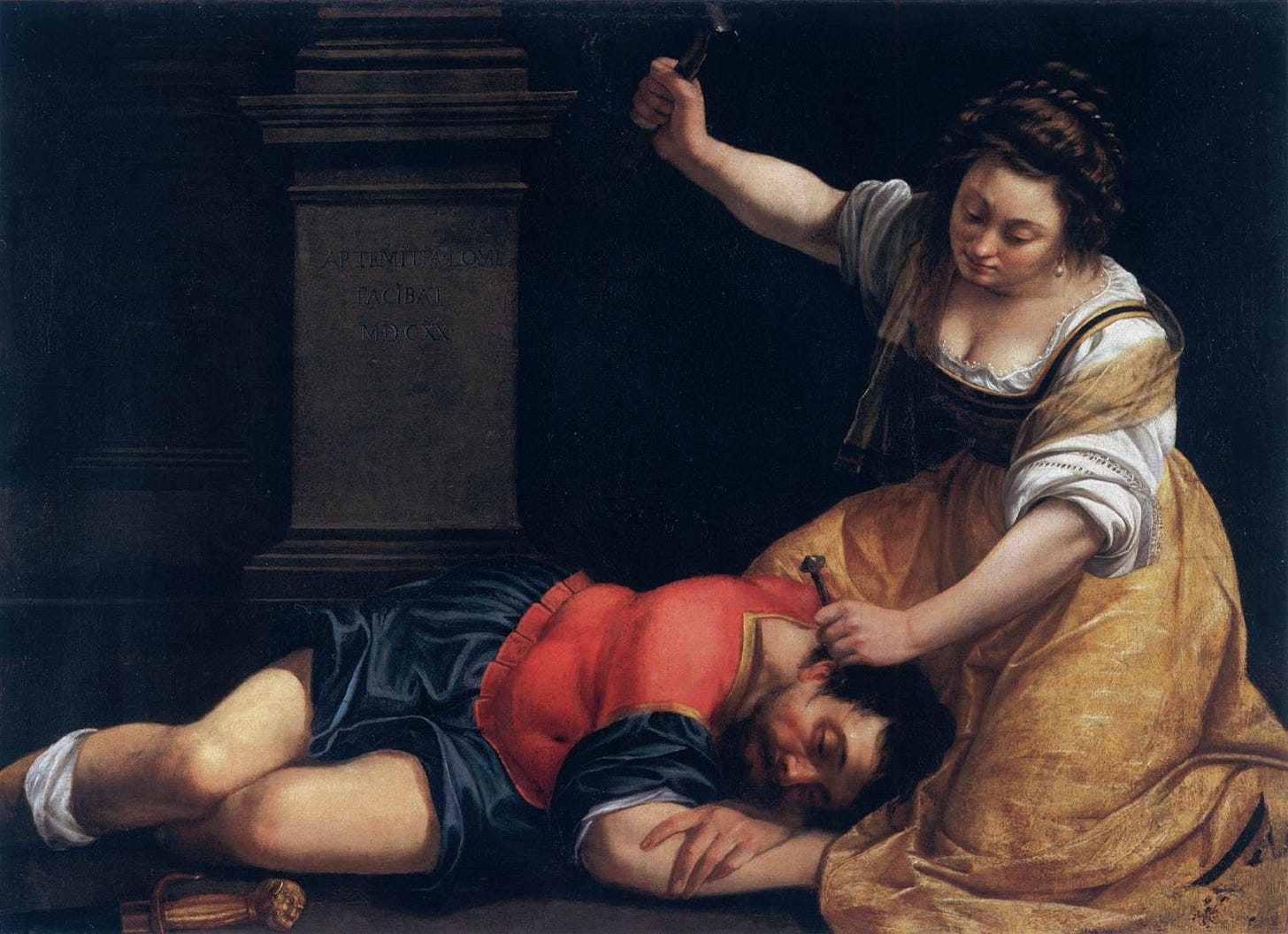
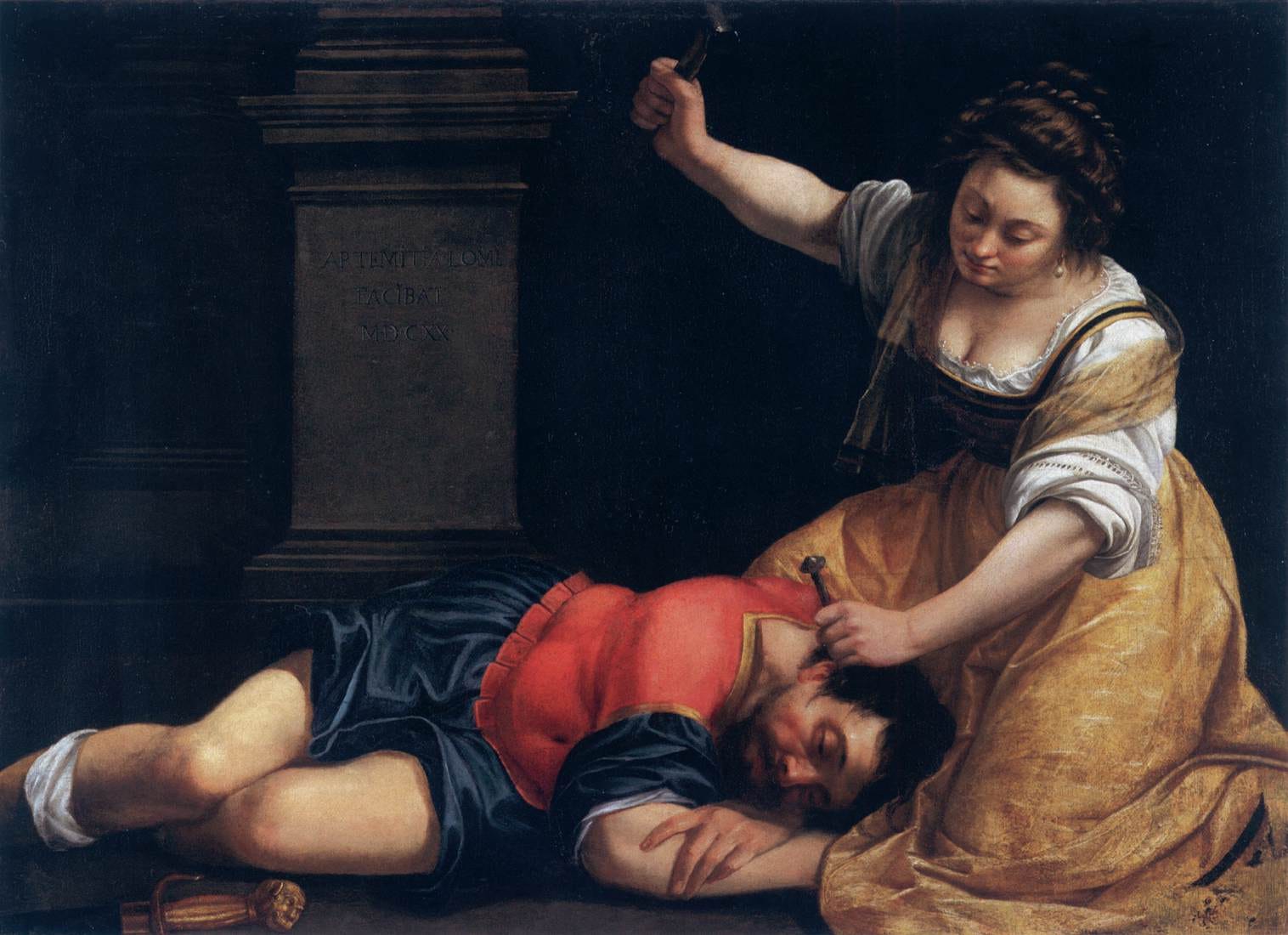
Artemisia Gentileschi - Such a brave, inspired badass. Talk about turning personal trauma into incredible art. Check out her story.
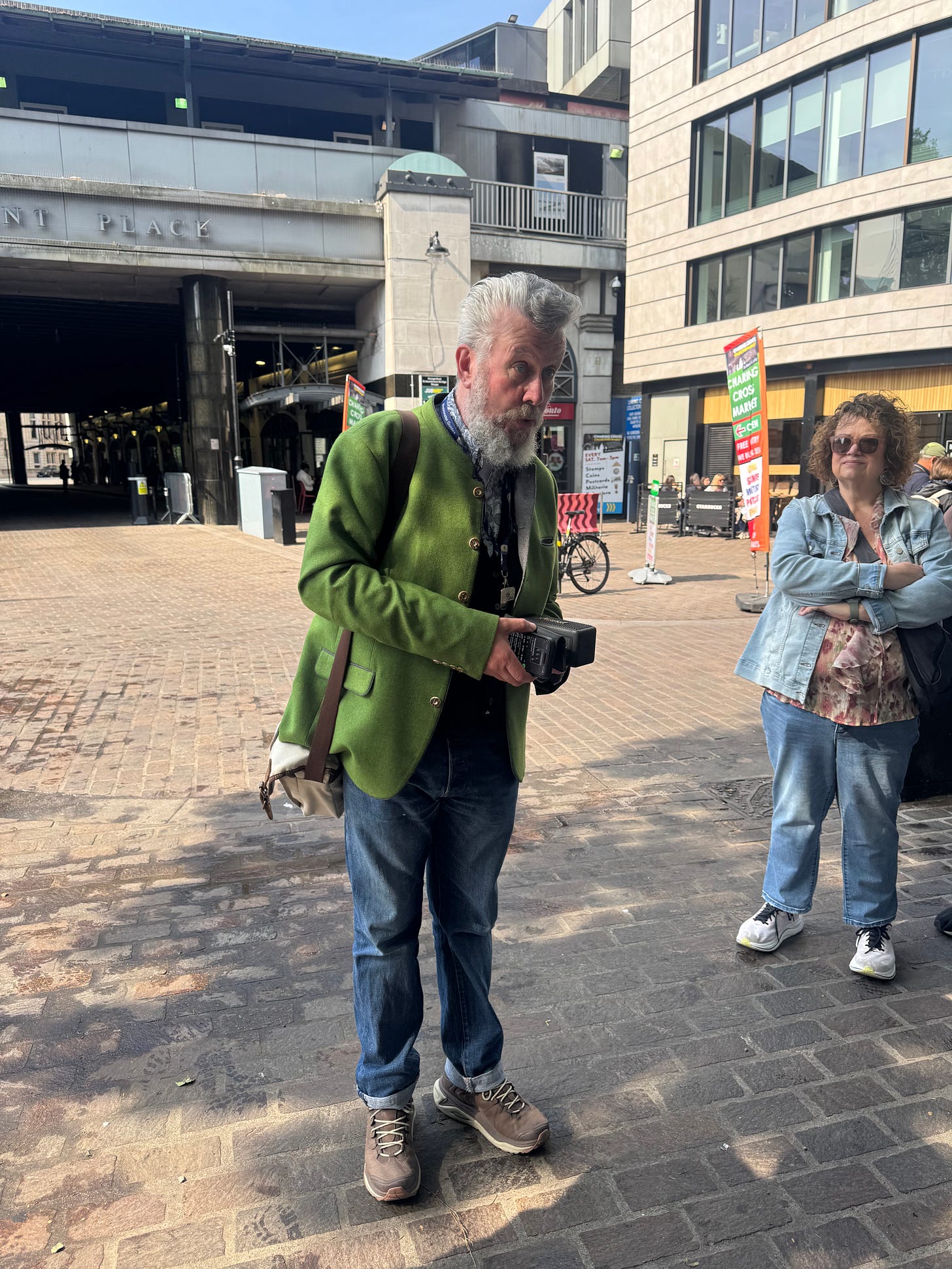
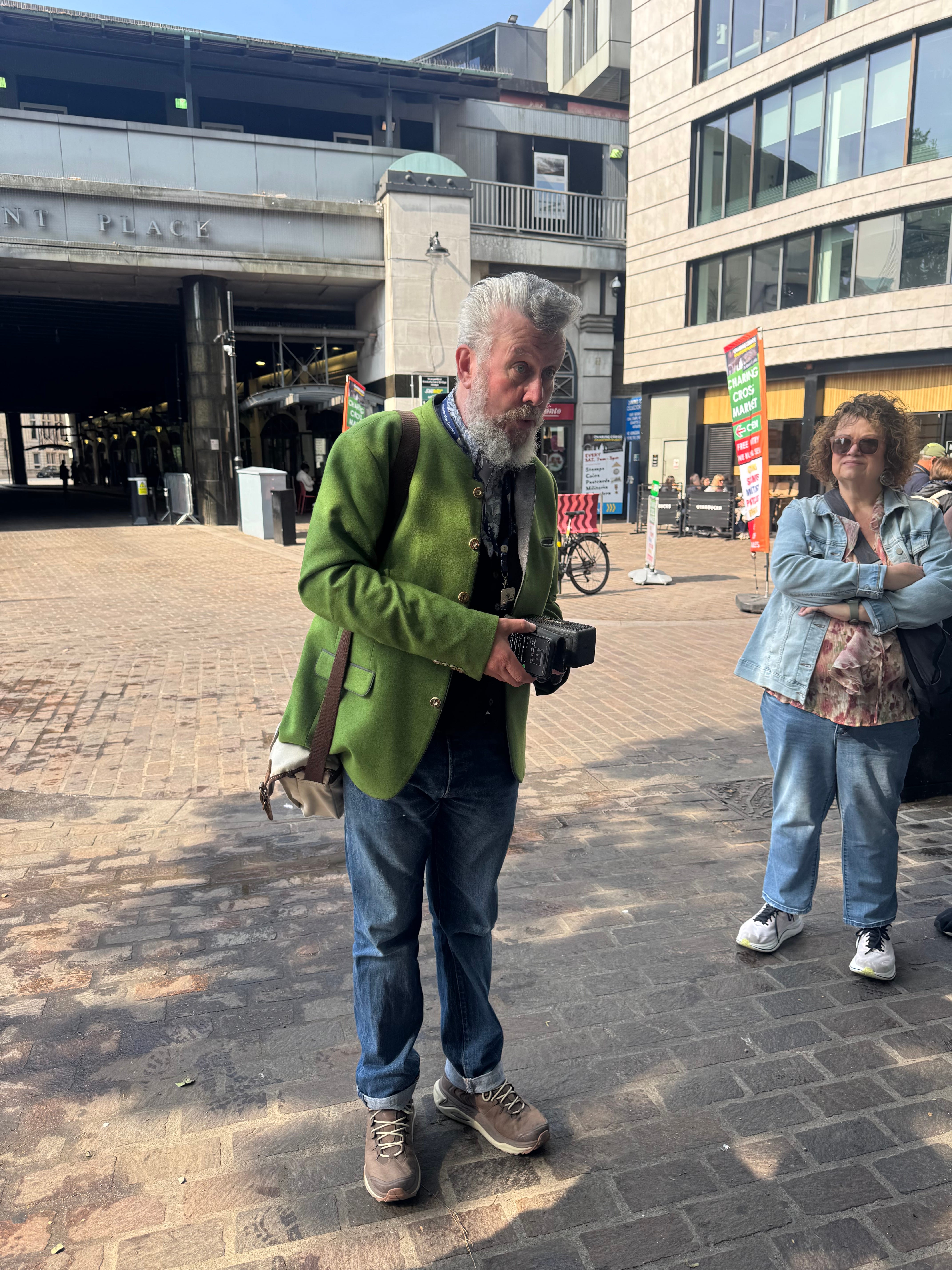
Story Telling on the streets - History is stories more than facts. We did a bunch of tours, but the best one was a 3 hour Beatles tour that only focused on 1960-1964. What more is there to say about the Beatles? Adam did it. Framing it as two stories: 1) the lead up to and the immediate aftermath of a failed Decca audition in 1961 and 2) The immediate success in England after the 1964 Ed Sullivan appearances made them stars in the US. Super helpful framing.
London is the place for me. What a city.